
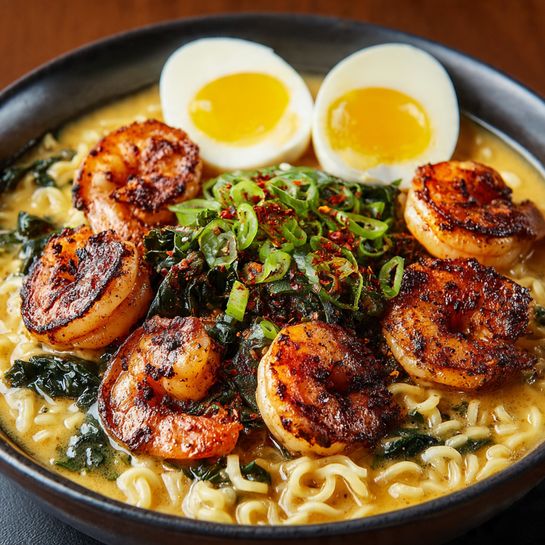
If you are craving a bowl of something comforting, flavorful, and just a little bit special, the Shrimp Ramen with Soft-Boiled Egg is an absolute must-try. This dish combines the silky richness of a savory broth with tender shrimp and perfectly cooked soft-boiled eggs, creating a harmony of textures and tastes that will warm you from the inside out. With fresh greens and a touch of umami from ingredients like miso and soy sauce, this ramen elevates a classic Japanese favorite into a bowl full of soul and satisfaction. Whether it’s a weeknight dinner or a cozy weekend treat, this recipe never fails to impress.

Ingredients You’ll Need
Don’t be intimidated by the ingredient list; each component here plays a simple but essential role in building layers of flavor, texture, and color that make your Shrimp Ramen with Soft-Boiled Egg truly stand out. From the broth base to the fresh vegetables, every item is chosen to bring balance and vibrancy to the bowl.
- Chicken or vegetable broth: The foundation of your soup, providing warmth and depth.
- Water: Used to balance the broth concentration for perfect flavor intensity.
- Soy sauce: Adds that essential salty umami kick that defines ramen.
- Miso paste: Optional but highly recommended for a rich, savory complexity.
- Sesame oil: Just a drizzle for a lovely nutty aroma and smooth finish.
- Garlic: Minced to release its pungent and sweet aroma into the broth.
- Ginger: Sliced for a fresh, bright zing that cuts through richness.
- Ramen noodles: Fresh or dried, they soak up the broth perfectly.
- Large shrimp: Peeled and deveined for tender seafood goodness.
- Soft-boiled eggs: Cooked just right for creamy yolks that enrich every spoonful.
- Green onions: Sliced to bring a crisp, mild onion flavor and lovely color.
- Spinach or bok choy: Adds vibrant green freshness and subtle crunch.
- Optional toppings: Mushrooms, corn, or seaweed to customize your bowl.
- Salt & pepper: To adjust seasoning to your taste.
How to Make Shrimp Ramen with Soft-Boiled Egg
Step 1: Prepare the Flavorful Broth
This is where the magic starts. In a pot, bring together the chicken or vegetable broth, water, soy sauce, miso paste, sesame oil, garlic, and ginger. Simmering gently for 10 to 15 minutes, the ingredients meld, creating a broth that’s deeply savory with fragrant notes. Remember to remove the ginger slices before serving to keep your broth smooth but perfectly infused.
Step 2: Cook Soft-Boiled Eggs to Perfection
Soft-boiled eggs are the elegant touch in this dish. Bring a small pot of water to a boil, then carefully lower in the eggs. Timing is everything here; boil them for 6 to 7 minutes to achieve a silky yolk that’s just set yet delightfully creamy. Plunge the eggs into ice water right after cooking to stop the heat, then peel gently. These eggs add richness and a luscious texture that balances beautifully with the broth and shrimp.
Step 3: Cook the Noodles and Shrimp
Next up, prepare the ramen noodles according to package instructions, making sure they remain firm but tender. Drain and set aside so they don’t overcook. Then, add the shrimp right into the simmering broth and let them cook for just 2 to 3 minutes until they turn pink and opaque. Toss in your chosen leafy greens, such as spinach or bok choy, cooking just until they wilt for that fresh burst of color and nutrients.
Step 4: Assemble the Beautiful Bowl
Now for the fun part. Divide the cooked noodles evenly into serving bowls, pour the steaming broth along with the shrimp and veggies over them. Halve your gorgeous soft-boiled eggs and place them on top. Sprinkle green onions and any optional toppings you love to finish off this comforting masterpiece. The bowl is now a stunning blend of colors, textures, and flavors all inviting you to dig in.
Step 5: Serve and Savor
Serve your Shrimp Ramen with Soft-Boiled Egg piping hot and enjoy every spoonful of that rich broth, succulent shrimp, tender noodles, and velvety eggs. It’s a dish that feels like a warm hug and tastes like a soul-satisfying celebration — perfect for any day you want to treat yourself.
How to Serve Shrimp Ramen with Soft-Boiled Egg
Garnishes
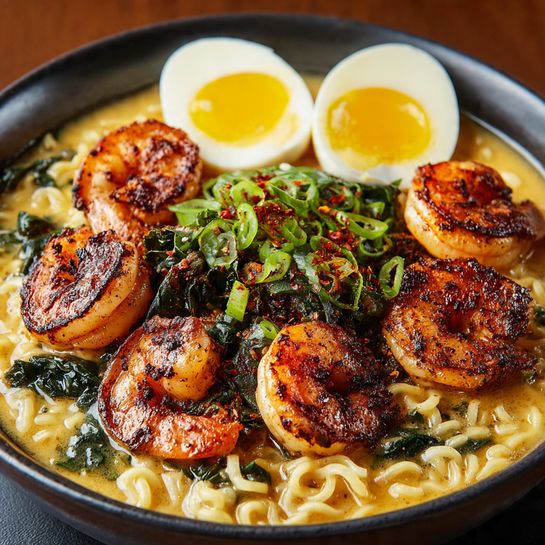
Fresh garnishes elevate the dish from delicious to unforgettable. Sprinkling sliced green onions adds bright, crunchy notes, while a handful of toasted sesame seeds or a dash of chili oil can provide texture and a subtle kick. Delicate sheets of nori or a sprinkle of finely chopped cilantro can also bring exciting new dimensions to this classic.
Side Dishes
Pair your ramen with light, complementary sides to round out the meal. Think simple cucumber salad with a tangy dressing, pickled vegetables for a refreshing bite, or even steamed edamame sprinkled with sea salt. These sides balance the hearty ramen and add a variety of flavors and textures to your dining experience.
Creative Ways to Present
Making your Shrimp Ramen with Soft-Boiled Egg look as amazing as it tastes can be joyful. Serve it in rustic bowls that highlight the vibrant colors, or layer ingredients artfully with noodles at the bottom and toppings arranged beautifully on top. For an interactive meal, serve the broth separately so each person can customize their bowl, making it a fun and social dining event.
Make Ahead and Storage
Storing Leftovers
If you have any ramen leftover, store the broth, noodles, and toppings separately in airtight containers in the refrigerator. This prevents the noodles from becoming soggy and keeps the shrimp fresh. Properly stored, components can last 1 to 2 days and still taste wonderful when reheated.
Freezing
While freezing fresh shrimp ramen isn’t ideal due to the delicate textures of shrimp and soft-boiled eggs, you can freeze the broth on its own. Pour it into freezer-safe containers and thaw gently when ready to use. Fresh noodles and eggs are best cooked fresh for the best experience.
Reheating
Reheat the broth gently on the stove until steaming hot. Warm the noodles and veggies briefly in hot water or microwave, then reassemble your bowl. Add the shrimp last and heat very briefly to avoid overcooking. Freshly peeled soft-boiled eggs are best enjoyed the day they are made but can be eaten cold on top if reheating is tricky.
FAQs
Can I use frozen shrimp for this recipe?
Absolutely! Just make sure to thaw the shrimp completely and pat them dry before adding to the broth to avoid excess water diluting the flavor.
Is it necessary to use miso paste?
No, miso paste is optional but it adds a wonderful depth of umami and complexity to the broth. If you don’t have it on hand, you can still enjoy a tasty ramen using just broth and soy sauce.
How do I know when the soft-boiled eggs are done?
A 6 to 7 minute boil will give you a yolk that is set but still creamy. For extra precision, use a timer and cool the eggs immediately in ice water to stop the cooking process.
Can I make this dish vegetarian?
Definitely! Use vegetable broth and swap shrimp for tofu or mushrooms. The broth flavor can be boosted with extra miso and soy sauce to keep it rich and satisfying.
What other toppings work well with shrimp ramen?
Besides the classic green onions and spinach, try sliced mushrooms, sweet corn, bamboo shoots, or seaweed strips for more variety and mouthwatering textures.
Final Thoughts
There’s something truly special about a steaming bowl of Shrimp Ramen with Soft-Boiled Egg that comforts the soul and excites the taste buds all at once. It’s a dish you can make without fuss but with all the flavor and care of something much more elaborate. I encourage you to dive into this recipe, customize it with your favorite toppings, and savor the joyful experience of slurping your way through one of the best bowls of ramen you’ve ever made at home.

Your email address will not be published. Required fields are marked *