
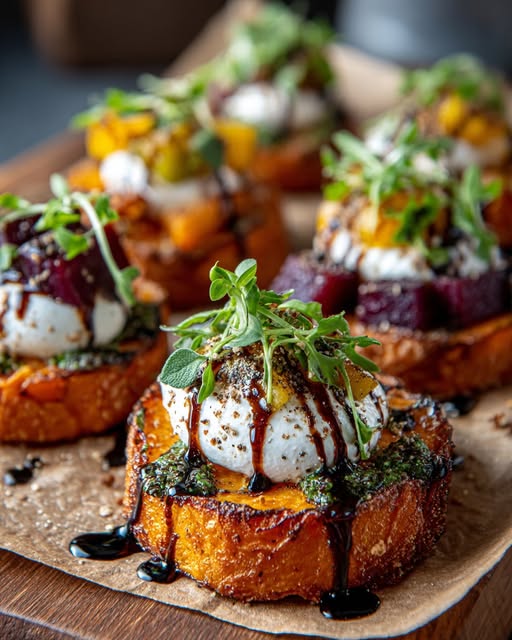
If you’re looking for a dish that bursts with vibrant colors and layers of comforting flavors, this delightful Roasted Beets & Walnut Sage Pesto recipe will quickly become a personal favorite. Combining the earthy sweetness of caramelized sweet potato rounds with tender roasted beets and a luxuriously creamy burrata, all crowned with a fragrant walnut sage pesto, this dish feels like a cozy celebration of fall’s best produce. It’s the kind of recipe that’s as pleasing to the eye as it is to the palate, offering a unique way to enjoy wholesome vegetables elevated with rich, nutty, and herbaceous notes. Trust me, once you try these Roasted Beets & Walnut Sage Pesto creations, you’ll find yourself craving them again and again.

Ingredients You’ll Need
Simple, fresh ingredients make this recipe shine, each playing an essential role in creating that perfect balance of taste and texture. These staples are easy to find, bringing a mix of earthiness, creaminess, and a bright herbal touch to the table.
- Sweet potatoes: Choose firm large potatoes for sweet, caramelized rounds that hold their shape perfectly.
- Beets: Medium-sized beets provide that vibrant hue and a tender, slightly sweet roasted bite.
- Walnuts: Toasted for a rich, crunchy depth in the walnut sage pesto.
- Fresh sage leaves: Impart a warm, woodsy aroma that makes the pesto truly special.
- Parmesan cheese: Adds a salty, nutty backbone that elevates the pesto’s flavor profile.
- Garlic: Just a hint to awaken the savory notes without overpowering.
- Olive oil: Key for roasting and blending smooth textures and richness.
- Burrata cheese: Provides a luscious, creamy topping that contrasts beautifully with the roasted veggies.
- Microgreens or fresh arugula: Bring freshness and a touch of peppery bite to the final dish.
- Balsamic glaze (optional): A sweet-tart drizzle for those who love an extra zing on top.
- Seasonings: Salt, black pepper, and smoked paprika (optional) to highlight and balance all the flavors.
How to Make Roasted Beets & Walnut Sage Pesto
Step 1: Preheat and Prepare Your Oven
Begin by setting your oven to a cozy 400°F (200°C) to create the perfect roasting environment. Lining two baking sheets with parchment paper helps keep cleanup simple and ensures your sweet potatoes and beets roast evenly without sticking.
Step 2: Roast the Beets
Toss the small beet cubes with olive oil, salt, and pepper so each piece gets a flavorful coating. Spread them out on one baking sheet, giving them space so they roast beautifully rather than steam. After 25 to 30 minutes of roasting, they’ll be tender, slightly caramelized, and full of that deep, earthy sweetness that pairs so well with the sage pesto.
Step 3: Caramelize the Sweet Potato Rounds
While the beets roast, coat the sweet potato rounds with olive oil, salt, pepper, and the smoky hint of paprika (which is optional but highly recommended for depth). Arrange them on the other baking sheet in a single layer, ensuring they have room to crisp up. Flip halfway through their 20 to 25-minute roast to get that perfect golden caramelization and tender inside. This is the foundation for the dish’s sweet and smoky notes.
Step 4: Prepare the Walnut Sage Pesto
In a food processor, pulse together toasted walnuts, fresh sage leaves, Parmesan cheese, garlic, salt, and pepper. Slowly drizzle in olive oil while pulsing until the pesto reaches a smooth, vivid green consistency. If it feels thick, just add 1 to 2 tablespoons of water to thin it out. This walnut sage pesto is packed with herbal freshness and a rich nuttiness that’s going to tie all the components together beautifully.
Step 5: Assemble the Dish
Arrange your caramelized sweet potato rounds neatly on a serving platter, then scatter the roasted beets on top. Tear the burrata gently over the vegetables so its creamy interior oozes into every bite. Finally, drizzle the walnut sage pesto generously over the whole arrangement, adding bursts of herbal, nutty flavor that make this dish utterly irresistible.
How to Serve Roasted Beets & Walnut Sage Pesto
Garnishes
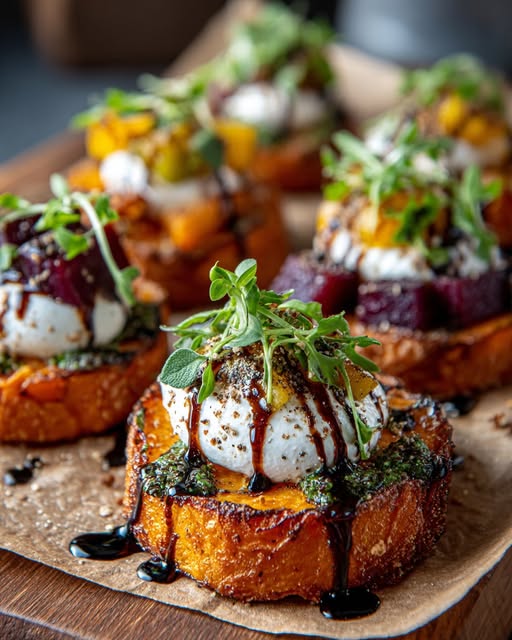
Finishing this dish with fresh microgreens or peppery arugula elevates the dish’s freshness and adds a pleasant crunch. For an extra touch of elegance, a light drizzle of balsamic glaze brings a tangy sweetness that complements the earthy vegetables and creamy burrata perfectly.
Side Dishes
This dish speaks volumes on its own but pairs beautifully with a crisp green salad, crusty artisan bread, or even a simple quinoa pilaf to round out the meal. Its rich flavors and textures also make it a fantastic centerpiece for a vegetarian dinner party or a special brunch.
Creative Ways to Present
For a stunning presentation, try stacking the roasted beets and sweet potato rounds in a small tower topped with burrata and drizzled with pesto. Alternatively, spread all components on a rustic wooden board for a casual, shareable appetizer experience that’s sure to impress guests.
Make Ahead and Storage
Storing Leftovers
Keep any leftovers in an airtight container in the refrigerator for up to 3 days. The roasted vegetables and pesto maintain their flavor well, but the burrata is best added fresh at serving time to preserve its creamy texture.
Freezing
While the roasted beets and sweet potato rounds freeze well, the burrata does not freeze successfully. You can freeze the walnut sage pesto in portions inside ice cube trays for up to 2 months — simply thaw before use to retain its vibrant flavor.
Reheating
To reheat, gently warm the roasted vegetables in a 350°F (175°C) oven for about 10 minutes or until heated through, avoiding the microwave to keep textures intact. Add fresh burrata after reheating to enjoy the full creaminess and freshness the dish deserves.
FAQs
Can I use other nuts instead of walnuts in the pesto?
Absolutely! Pecans or pine nuts make great substitutes, offering slightly different flavors but maintaining the nutty richness essential to the pesto’s character.
Is the smoked paprika necessary for the sweet potatoes?
Not at all. It’s optional but recommended since it adds a subtle smokiness that enhances the sweet potatoes’ natural flavor beautifully.
How do I know when the beets are done roasting?
They are done when tender and easily pierced with a fork, usually after about 25 to 30 minutes. Roasting intensifies their sweetness and softens their texture perfectly.
Can this dish be made vegan?
Yes! Simply replace the burrata with a plant-based cheese or creamy nut spread, and swap Parmesan in the pesto for a vegan alternative or nutritional yeast for a cheesy flavor.
What’s the best way to toast walnuts?
Toast walnuts in a dry skillet over medium heat for a few minutes until fragrant and lightly browned, stirring frequently to prevent burning. This step really brings out their flavor.
Final Thoughts
This Roasted Beets & Walnut Sage Pesto dish is one of those meals that feels special without being complicated. It celebrates fresh, seasonal ingredients in a way that’s both comforting and sophisticated, making it a perfect pick for your next dinner or gathering. I can’t wait for you to try it and see how this harmonious blend of flavors quickly becomes one of your new favorites!

Your email address will not be published. Required fields are marked *