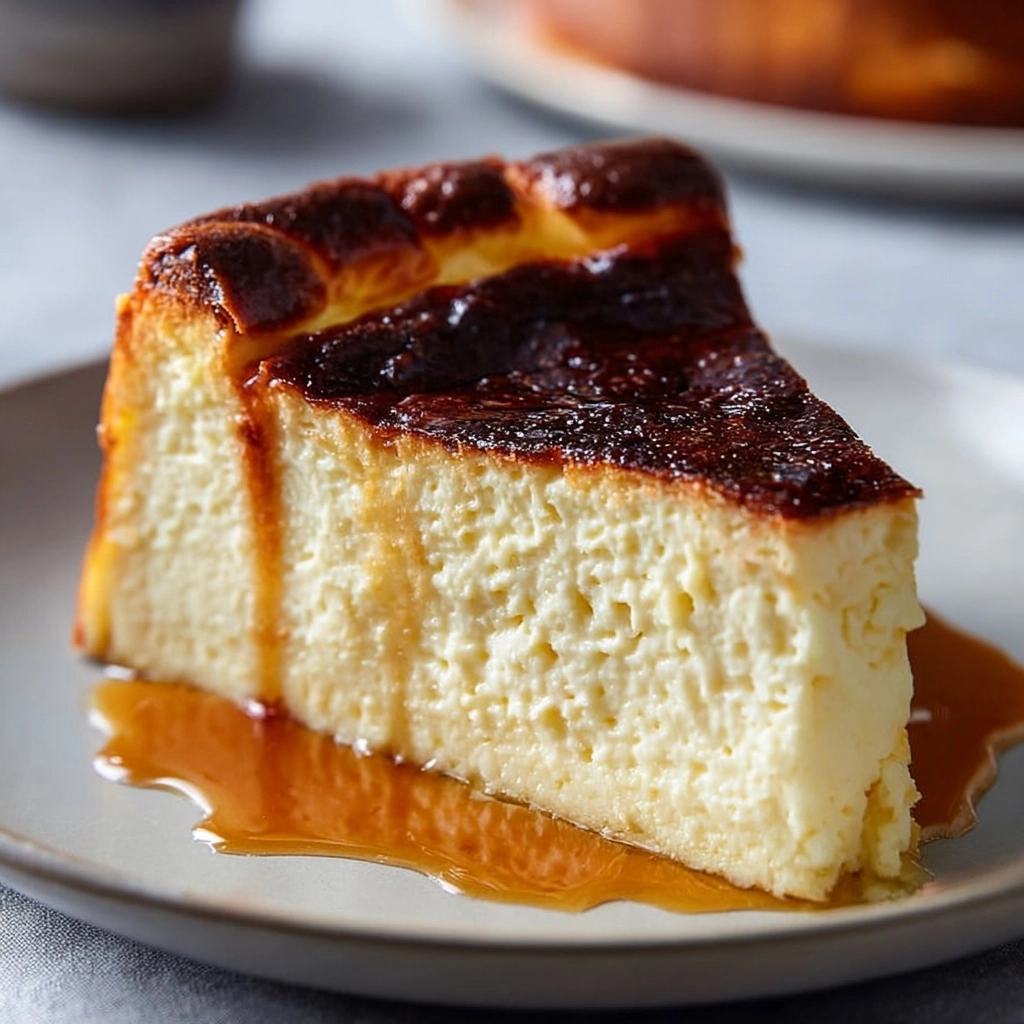
If you are searching for a dessert that combines simplicity with unforgettable flavor, look no further than the Basque Burnt Cheesecake. This exquisite Spanish classic features a delectably smooth and creamy center wrapped in a deeply caramelized, almost burnt top that adds a complex, smoky sweetness you won’t find anywhere else. The magic of the Basque Burnt Cheesecake lies in its minimalist ingredients and fuss-free preparation, delivering a rich, silky texture that melts in your mouth like a dream. Whether it’s for a cozy night in or impressing guests, this cheesecake always steals the show with its rustic charm and irresistible taste.

Ingredients You’ll Need
Creating a perfect Basque Burnt Cheesecake is effortless with just a handful of essential ingredients. Each item plays a crucial role in achieving that creamy, custard-like texture and beautifully burnt top that define this iconic dessert.
- Full-fat cream cheese: Choosing room temperature cream cheese ensures a smooth batter without lumps for the creamiest consistency.
- Granulated sugar: Adds sweetness and helps caramelize the surface for that signature burnt top.
- Large eggs: They provide structure and richness, helping the cheesecake set with a tender texture.
- Heavy cream: Delivers luxurious creaminess and balances the tanginess from the cream cheese.
- Vanilla extract: Brings warm, aromatic notes that enhance every bite.
- All-purpose flour: Just a touch stabilizes the batter without weighing it down.
- Fine salt: Intensifies the flavors, making the sweetness pop and balancing richness perfectly.
How to Make Basque Burnt Cheesecake
Step 1: Prepare Your Pan and Oven
Begin by preheating your oven to a high temperature of 425°F (220°C). This intense heat is what gives the Basque Burnt Cheesecake its distinctive deeply caramelized top and edges. Next, line a 9-inch springform pan with parchment paper, allowing the paper to rise above the sides so your batter has room to puff up while baking. This simple step ensures the cheesecake won’t stick and creates its rustic, crinkled edges.
Step 2: Cream the Cheese and Sugar
Beat the room temperature full-fat cream cheese and granulated sugar together until the mixture is completely smooth and free of lumps. This step sets the stage for a velvety batter, so take your time to achieve a silky texture. Using softened cheese helps everything incorporate flawlessly without leaving behind any gritty bits.
Step 3: Incorporate Eggs One at a Time
Add the five large eggs into your mixture one by one, mixing gently after each addition. This gradual process ensures the eggs fully combine without over-beating the batter, which could cause cracks later. The eggs bring body to the cheesecake while keeping it tender and soft.
Step 4: Mix in Cream and Vanilla
Pour in the heavy cream and vanilla extract, stirring until your batter reaches a silky, luscious consistency. The cream adds richness and a supple mouthfeel, while vanilla lends those subtle, comforting flavors that elevate the cheesecake beyond ordinary.
Step 5: Fold in Flour and Salt
Sift in the all-purpose flour and sprinkle the fine salt over your batter, folding gently until just combined. This step is crucial to keep the batter light and smooth, ensuring the cheesecake sets perfectly without becoming dense or cakey. The salt is a flavor booster that makes every bite pop.
Step 6: Bake With Love
Pour the batter into your prepared pan and tap it lightly on the counter to release any trapped air bubbles. Then bake the cheesecake in your preheated oven for 45 to 50 minutes. You’ll know it’s done when the top is deeply caramelized with a burnt, almost cracked look, while the center remains slightly jiggly to the touch—a hallmark of the Basque Burnt Cheesecake’s luscious texture.
Step 7: Cool and Chill
Once baked, remove your cheesecake from the oven and allow it to cool completely at room temperature. This step helps the custard set gradually and lock in that mouthwatering creaminess. After it cools, transfer the Basque Burnt Cheesecake to the refrigerator for at least four hours—this chilling time is essential for the flavors to meld and the texture to fully develop before slicing and serving.
How to Serve Basque Burnt Cheesecake
Garnishes
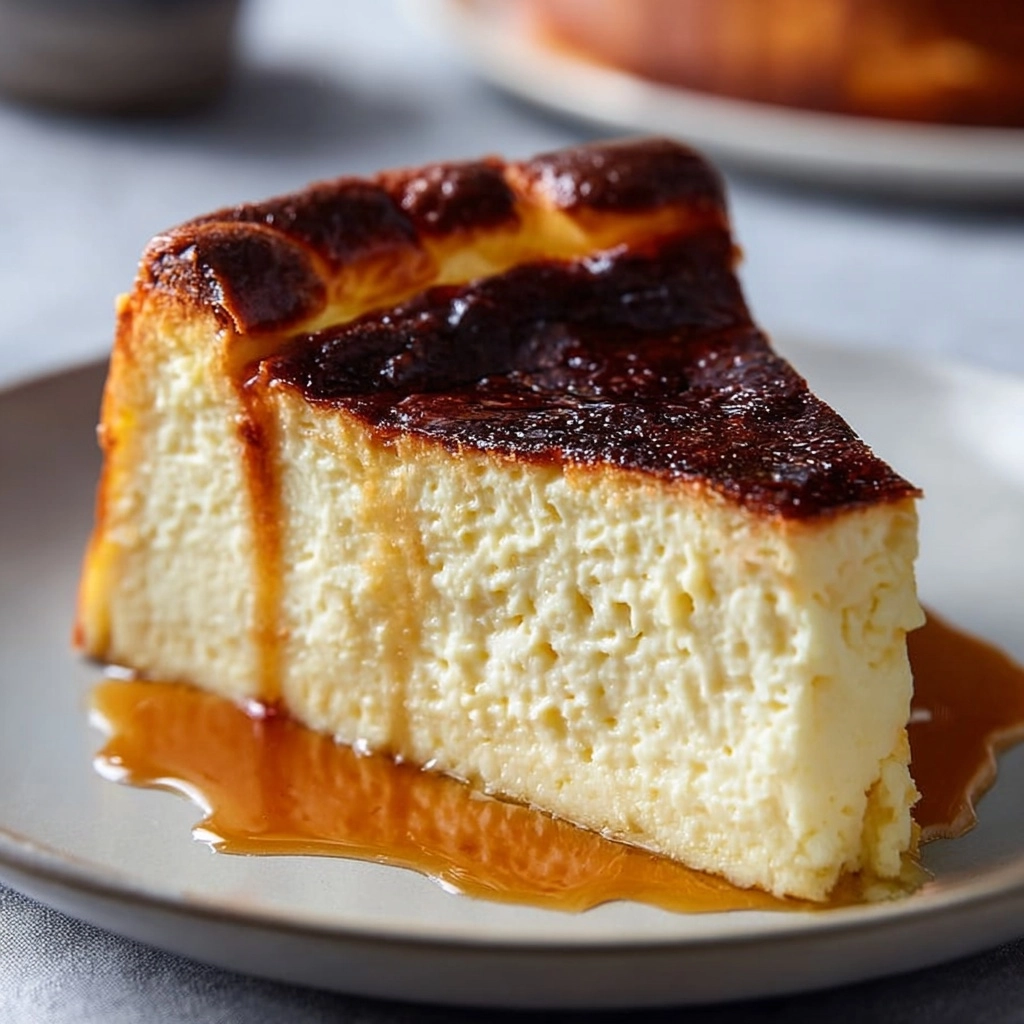
The beauty of the Basque Burnt Cheesecake is its rustic simplicity, so you’ll want to choose garnishes that complement rather than overwhelm its rich flavor. A light dusting of powdered sugar adds a delicate sweetness and a pretty finishing touch. Fresh berries like raspberries or blueberries bring vibrant color and a hint of tartness that cuts through the richness perfectly.
Side Dishes
Pair this cake with a dollop of lightly whipped cream or a scoop of vanilla bean ice cream for a classic dessert experience. For something a bit more unexpected, a drizzle of honey or a spoonful of fruit compote enhances both its caramelized top and velvety inside while adding contrast and brightness.
Creative Ways to Present
Surprise guests by serving slices alongside a cup of espresso or smoky black tea, elevating the dessert into a sophisticated treat. For a fun twist, slice the cheesecake into small squares or even mini portions for a bite-sized indulgence at parties. The caramelized top looks stunning against simple white plates, making your Basque Burnt Cheesecake the star of any dessert table.
Make Ahead and Storage
Storing Leftovers
If you have any leftovers (which is rare!), wrap the cheesecake tightly with plastic wrap or store it in an airtight container and refrigerate. It will keep well for up to four days without losing its creamy texture or flavor.
Freezing
You can freeze Basque Burnt Cheesecake by wrapping it securely with plastic wrap and aluminum foil to protect it from freezer burn. Freeze for up to one month. When ready to enjoy, thaw overnight in the refrigerator to preserve its signature silky texture.
Reheating
Reheat slices gently at room temperature or warm briefly in the microwave for about 15-20 seconds to soften any chill from storage. Avoid overheating, as this can alter the texture. Enjoy it just as easily chilled or slightly warmed for different experiences.
FAQs
What makes Basque Burnt Cheesecake different from regular cheesecake?
Unlike traditional cheesecakes that have a smooth, pale surface, Basque Burnt Cheesecake is baked at a high temperature to achieve a dark, caramelized top and edges, giving it a smoky, complex flavor while maintaining a creamy, custard-like center.
Do I need a springform pan, or can I use a regular cake pan?
A springform pan is ideal because it lets you remove the cheesecake easily without disturbing its delicate structure. If using a regular pan, line it generously with parchment paper to aid removal.
Can I use low-fat cream cheese or milk instead of heavy cream?
For the best silky texture and richness, full-fat cream cheese and heavy cream are recommended. Using low-fat options might result in a less creamy, denser cheesecake.
Why is the center of the Basque Burnt Cheesecake jiggly after baking?
A slightly jiggly center is key—it means the custard is cooked just right, staying creamy and soft. It will firm up after cooling and chilling without losing that smooth mouthfeel.
Can I make this cheesecake ahead of time for a party?
Absolutely! In fact, chilling the Basque Burnt Cheesecake for at least 4 hours, or even overnight, helps it develop its full flavor and perfect texture. It’s a fantastic make-ahead dessert for any occasion.
Final Thoughts
If you’ve never experienced the magic of Basque Burnt Cheesecake, now is the perfect time to try your hand at this simple yet extraordinary dessert. Its unique burnt top paired with a silky custard center will captivate your taste buds, turning even the most casual moment into a special occasion. Once you make it, it’s sure to become one of your favorite go-to recipes to share with friends and family, spreading joy one luscious slice at a time.
Your email address will not be published. Required fields are marked *